
At FOCUS Lifestyle, we believe healthy aging is not built through a single supplement, medication, or short-term diet. It is created through consistent habits that support the heart, brain, metabolism, muscles, and immune system over time.
One of the most effective—and most thoroughly studied—ways to support those goals is the Mediterranean diet.
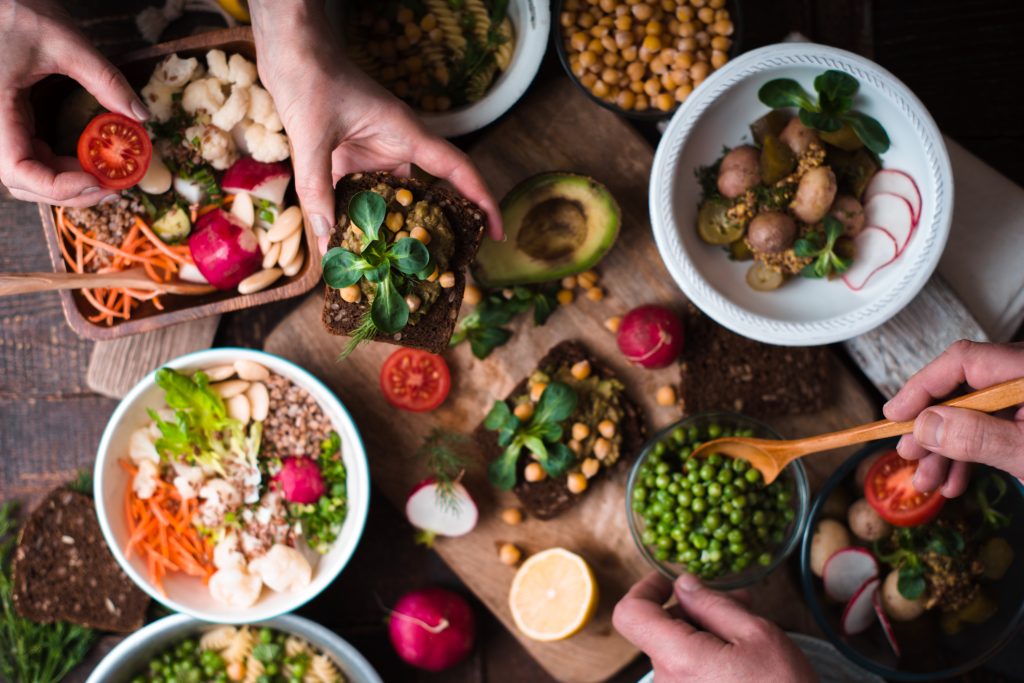
Despite its name, the Mediterranean diet is not a rigid meal plan, calorie-counting program, or list of foods you must avoid. It is a flexible style of eating centered on vegetables, fruits, beans, whole grains, healthy fats, seafood, herbs, and minimally processed foods.
More importantly, it is an eating pattern that people can realistically maintain.
Why the Mediterranean Diet Is So Good for You
Researchers have studied the Mediterranean diet for decades. The evidence consistently links this style of eating with improved cardiovascular health, better blood sugar control, healthier body weight, reduced inflammation, and a lower risk of chronic disease
In a landmark clinical trial involving thousands of adults at increased risk for cardiovascular disease, participants following a Mediterranean-style diet supplemented with either extra-virgin olive oil or nuts experienced significantly fewer major cardiovascular events than those following a conventional low-fat diet.
That means fewer heart attacks, fewer strokes, and better long-term protection for the vascular system.
The benefits extend well beyond the heart.
Mediterranean-style eating has also been associated with a lower risk of:
- Type 2 diabetes
- Cognitive decline
- Dementia and Alzheimer’s disease
- Certain cancers
- Premature death
The reason is not one “miracle” ingredient. The benefit comes from the combined effect of many nutrient-dense foods working together.
A Diet That Supports the Entire Body
The Mediterranean diet is naturally rich in fiber, antioxidants, polyphenols, vitamins, minerals, and healthy fats.
Fiber supports the gut and metabolism
Vegetables, beans, lentils, fruit, nuts, seeds, and whole grains provide dietary fiber that nourishes beneficial gut bacteria. Fiber also helps slow the absorption of carbohydrates, improve satiety, regulate bowel function, and support healthier cholesterol and blood sugar levels.
Healthy fats protect the heart and brain
Extra-virgin olive oil, nuts, seeds, avocados, and fatty fish provide monounsaturated fats and omega-3 fatty acids. These fats support the health of blood vessels, the brain, the eyes, and the cardiovascular system.
Lean proteins preserve strength
Fish, seafood, poultry, beans, lentils, yogurt, and eggs provide protein without relying heavily on processed or fatty red meats. Adequate protein becomes increasingly important as we age because it helps preserve muscle mass, physical function, and metabolic health.
Plant compounds reduce oxidative stress
Colorful vegetables, fruits, herbs, spices, olive oil, coffee, tea, and legumes contain polyphenols and other bioactive compounds. These substances may help reduce inflammation and protect cells from oxidative damage.
In practical terms, the Mediterranean diet helps create an internal environment that is more supportive of recovery, energy, vascular health, and longevity.
It Is a Pattern, Not a Restrictive Diet
One of the greatest advantages of the Mediterranean diet is its flexibility.
You do not need to eat Greek or Italian food every day. The principles can be applied to many cultures and cuisines.
A Mediterranean-style meal might include:
- A lentil curry with vegetables and brown rice
- Black bean tacos with avocado and fresh salsa
- A vegetable stir-fry with shrimp and whole grains
- Grilled fish with roasted vegetables
- Chicken with beans, greens, herbs, and olive oil
- A large salad topped with salmon, nuts, and yogurt dressing
The goal is not to perfectly reproduce the diet of a specific Mediterranean village. The goal is to make minimally processed plant foods the foundation of your meals.
What Should You Eat?
Eat frequently
Build most meals around:
- Vegetables
- Fruits
- Beans and lentils
- Whole grains
- Nuts and seeds
- Herbs and spices
- Extra-virgin olive oil
A useful target is to fill approximately half of your lunch and dinner plate with vegetables.
Experiment with different plant foods rather than eating the same two or three choices every day. Variety helps provide a broader range of nutrients and beneficial plant compounds.
Eat fish and seafood regularly
Try to include fish or seafood approximately twice per week.
Good options include:
- Salmon
- Sardines
- Trout
- Tuna
- Shrimp
- Mussels
- Cod
Fresh fish is excellent, but frozen and canned options can be affordable, convenient, and equally practical.
Eat these foods in moderation
Eggs, poultry, cheese, yogurt, kefir, and other dairy foods can be included in reasonable portions.
Fermented foods such as yogurt and kefir may provide additional benefits for digestive and microbial health, especially when they contain minimal added sugar.
Limit red meat, processed meat, and sweets
Red meat does not have to be completely eliminated, but it should generally play a smaller role.
Consider using meat as a complement to a meal rather than making it the entire meal. A small amount of meat mixed with vegetables, beans, or whole grains is more consistent with Mediterranean-style eating than a large steak with minimal plant food.
Processed meats, sugary desserts, refined carbohydrates, and highly processed snack foods should be occasional choices rather than daily staples.
Five Easy Ways to Start
You do not need to overhaul your entire diet overnight. In fact, dramatic changes often fail because they are difficult to maintain.
Start with a few simple upgrades.
1. Add vegetables before removing foods
At lunch and dinner, add one additional vegetable to your plate.
This might be a salad, roasted broccoli, sautéed spinach, peppers, tomatoes, green beans, or mixed vegetables. As the volume of nutrient-dense food increases, less healthy foods naturally begin to occupy less space.
2. Replace butter with extra-virgin olive oil
Use extra-virgin olive oil for salad dressings, marinades, roasted vegetables, and many forms of everyday cooking.
Olive oil is still calorie-dense, so quantity matters, but it provides a more favorable fat profile than butter, shortening, or heavily processed cooking fats.
3. Eat beans or lentils several times a week
Beans and lentils are inexpensive, filling, high in fiber, and rich in plant protein.
Add them to soups, salads, curries, tacos, pasta dishes, or vegetable bowls. Canned beans are perfectly acceptable—simply rinse them to reduce excess sodium.
4. Make fish the main protein twice a week
Replace two meals that would normally contain red or processed meat with fish or seafood.
A salmon salad, shrimp skillet, tuna and white bean salad, or baked cod with vegetables can be prepared without complicated recipes.
5. Replace one processed snack each day
Trade chips, candy, or pastries for options such as:
- A small handful of nuts
- Greek yogurt with berries
- Fruit with nut butter
- Hummus with vegetables
- Olives and a small portion of cheese
Small substitutions performed consistently create meaningful results over time.
Five Mediterranean-Inspired Meal Ideas
Avocado and Black Bean Tacos
Use corn tortillas and fill them with black beans, avocado, cabbage, tomatoes, onions, herbs, and fresh salsa. This meal provides fiber, healthy fats, and plant protein without feeling like “diet food.”
Shrimp with Tomatoes, Spinach, and Feta
Sauté shrimp with garlic, tomatoes, spinach, olive oil, herbs, and a modest amount of feta cheese. Serve it with farro, brown rice, or a whole-grain pita.
White Beans with Spinach and Herbs
Combine white beans with spinach, onions, garlic, dill, parsley, lemon, and olive oil. This simple meal is rich in fiber and protein and can be prepared quickly.
Lentil Curry
Cook red lentils with tomatoes, vegetables, turmeric, cumin, garlic, and other spices. Serve with brown rice or another whole grain. Lentils cook quickly and are an excellent source of iron and plant-based protein.
Salmon Shawarma Salad
Season roasted salmon with cumin, paprika, garlic, and other spices. Serve over greens, tomatoes, cucumbers, onions, and herbs with a Greek yogurt-based dressing.

What About Wine?
Wine is often associated with the traditional Mediterranean diet, but it is not required to receive the diet’s benefits.
People who do not currently drink alcohol should not begin drinking for health reasons. Alcohol can increase the risk of several health problems, and even moderate use may not be appropriate for people taking certain medications or managing specific medical conditions.
Water should remain the primary beverage. Unsweetened coffee and tea can also fit comfortably within a Mediterranean-style eating pattern.
Mediterranean Eating and Weight Loss
The Mediterranean diet is not automatically a weight-loss diet. Olive oil, nuts, cheese, whole grains, and other healthy foods still contain calories.
However, the diet can support weight loss because it emphasizes foods that are high in fiber, protein, water, and nutrients. These foods can improve fullness and make it easier to reduce highly processed foods that promote overeating.
Portion size still matters.
For individuals trying to lose weight, the most effective version of the Mediterranean diet typically emphasizes:
- Large portions of non-starchy vegetables
- Adequate lean protein
- Controlled amounts of olive oil and nuts
- Moderate portions of whole grains
- Limited sweets, alcohol, and refined carbohydrates
The quality of the diet is important, but total energy intake still counts. Healthy calories have not discovered diplomatic immunity.
A Lifestyle That Extends Beyond Food
Traditional Mediterranean living includes more than nutrition. It also emphasizes:
- Regular physical activity
- Meals shared with family and friends
- Time spent outdoors
- Adequate rest
- Slower, more intentional eating
- Strong social connection
These habits reinforce one another. A healthy meal consumed calmly with people you care about is very different from eating ultra-processed food alone in a car between appointments.
Longevity is not created by food alone. It develops from the interaction between nutrition, movement, sleep, recovery, stress management, and meaningful human connection.
The FOCUS Lifestyle Approach
The Mediterranean diet provides a strong nutritional foundation, but every individual has different metabolic needs.
Someone managing diabetes, chronic kidney disease, obesity, cardiovascular disease, food allergies, gastrointestinal conditions, or medications may require a modified approach.
At FOCUS Lifestyle, our goal is not simply to hand patients a list of foods. We help individuals create a realistic strategy based on their health history, laboratory findings, body composition, lifestyle, and long-term goals.
The best nutrition plan is not the most extreme plan.
It is the one that improves your health, fits your life, and can still be followed months and years from now.
Start With Your Next Meal
You do not need to wait until Monday, the beginning of a new month, or the arrival of perfect motivation.
At your next meal:
- Add a vegetable
- Choose a minimally processed protein
- Include a healthy fat
- Replace a refined carbohydrate with a higher-fiber option
- Drink water instead of a sugary beverage
That one meal will not transform your health. But repeated hundreds of times, it might.
At FOCUS Lifestyle, aging is optional—but healthy aging requires intentional choices.