
GLP-1 medications like Ozempic, Wegovy, and Mounjaro have transformed how we approach obesity and metabolic disease. For many patients, these therapies deliver significant, sustained weight loss that once felt out of reach. But there’s an important piece of the conversation that often gets left out.
Not all weight loss is fat loss.
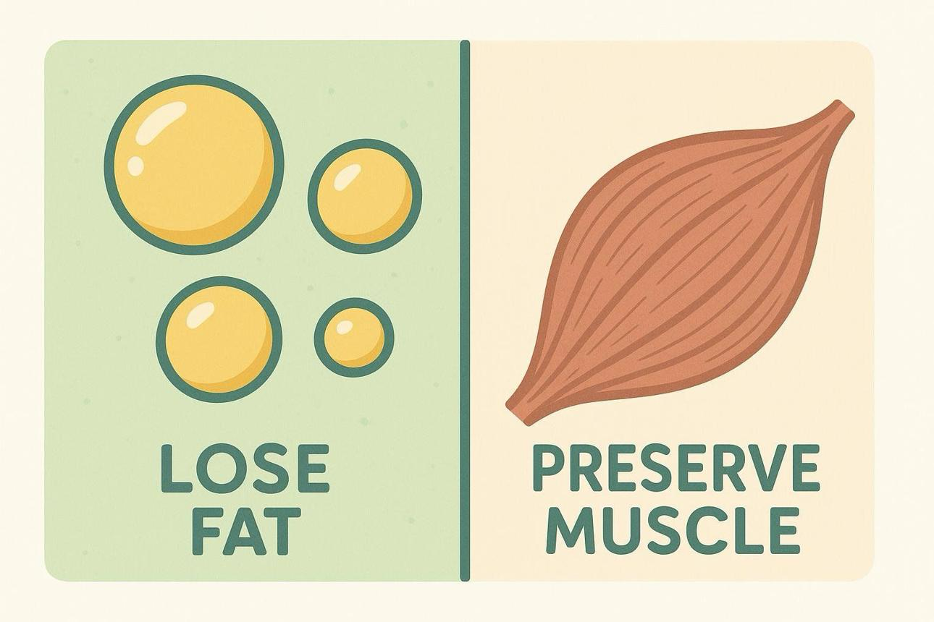
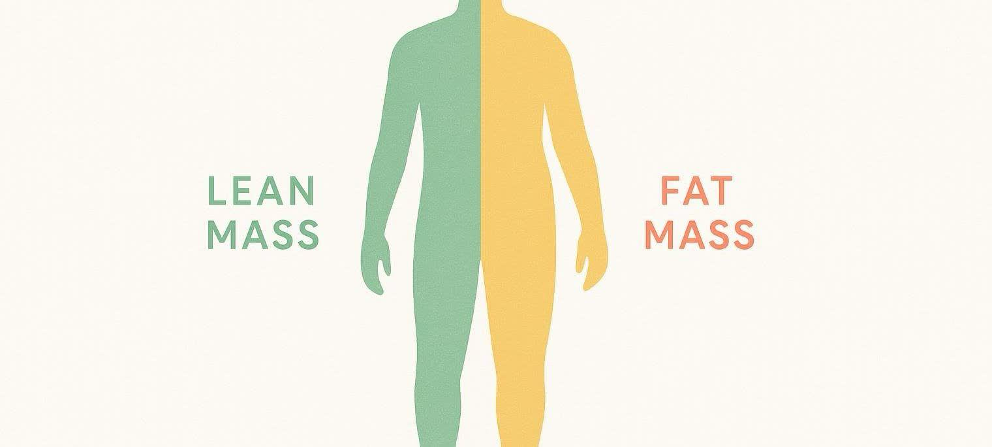
When the body loses weight rapidly, it doesn’t always pull exclusively from fat stores. Without the right protective strategies in place, clinical research shows that up to 25 – 40% of weight lost during dieting can come from lean muscle mass. That’s a meaningful difference and it has real consequences for your metabolism, your energy, and your long-term results.
What Happens When You Lose Muscle
Muscle is one of the most metabolically active tissues in the body. It helps you burn calories efficiently, regulate blood sugar, maintain strength and balance, and keep weight off over time. When muscle is lost alongside fat, patients often experience fatigue, a slower metabolism, and a higher likelihood of regaining weight down the road.
To put it in concrete terms: someone losing 30 pounds without muscle protection might lose 10–12 pounds of muscle alongside 18–20 pounds of fat. With the right approach, that same 30 pounds can look like 24–27 pounds of fat and only 3–6 pounds of muscle; a dramatically healthier outcome.

The Focus Lifestyle Approach
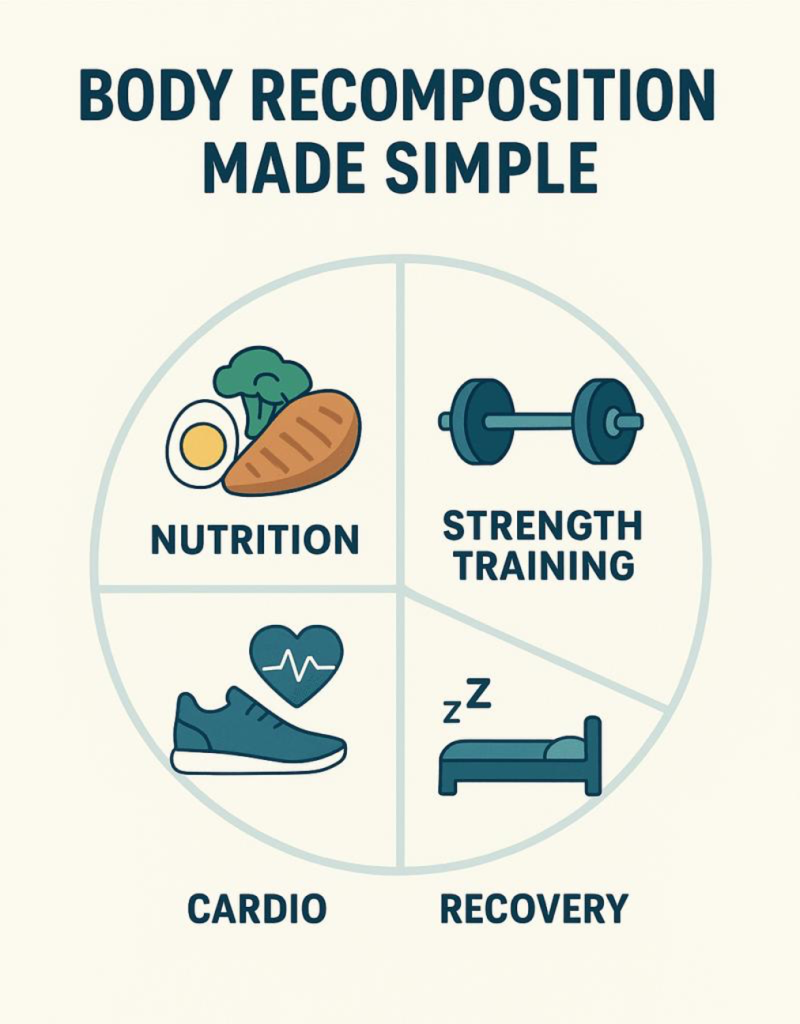
At Focus Lifestyle, we believe the goal isn’t simply a lower number on the scale. It’s healthy fat loss while preserving the muscle and metabolic health that support your quality of life long-term. That’s why we combine GLP-1 therapy with four evidence-based strategies.
Adequate Protein Intake. Protein provides the building blocks your body needs to maintain muscle during weight loss. We typically target 1.2–1.6 grams per kilogram of body weight per day, drawing from sources like lean meats, fish, eggs, Greek yogurt, and legumes.
Strength Training. Resistance exercise signals the body to preserve muscle tissue even while in a calorie deficit. Two to three sessions per week whether that’s weights, resistance bands, or bodyweight exercises, can meaningfully reduce muscle loss.
Body Composition Monitoring. The scale only tells part of the story. We track body fat percentage, lean muscle mass, and visceral fat to ensure that weight loss is coming from the right places.
Physician-Directed Metabolic Support. For some patients, additional support therapies may be appropriate including physician-directed options designed to support growth hormone signaling and lean muscle preservation. These are always individualized, carefully monitored, and used only when clinically indicated.
A Note from Dr. Daniel
GLP-1 medications represent one of the most important advances in obesity medicine in decades. Used correctly, they can significantly improve metabolic health and quality of life. But protecting muscle during that process is essential for lasting success. With the right combination of medical therapy, nutrition, and strength training, patients can achieve something more meaningful than weight loss, they can build a healthier, stronger metabolism for the long term.
If you have questions about GLP-1 medications or how to protect muscle during your weight loss journey, we’d love to hear from you.
📍 Focus Lifestyle | 2099 Niagara Falls Blvd, Amherst, NY 14228 📞 (716) 899-4300 | staging.focuslifestyle.com/wordpress/